The Biology of Ageing
New research shows that ageing is associated with the same broad changes across species, with inflammation driving many of the processes. But, the molecular patterns associated with ageing can move in both directions. They can accelerate under conditions of stress and disease, but they can also slow down, and in some circumstances partially reverse.
The Future of Ageing
New technologies are exciting, but what you can do is more important.

How to Live Longer, Better in your 60s, 70s, 80s & 90s
Get even fitter mentally, and reduce your risk of dementia by
Learning something new
Re-learning a lost skill
Rejoining your love of arts & crafts
Doing mental exercise – e.g., cryptic crosswords
Taking a formal course
Engaging with your community and the NPC with purpose
Volunteering, particularly with younger generations, will increase wellbeing
Reducing isolation – optimize vision and hearing
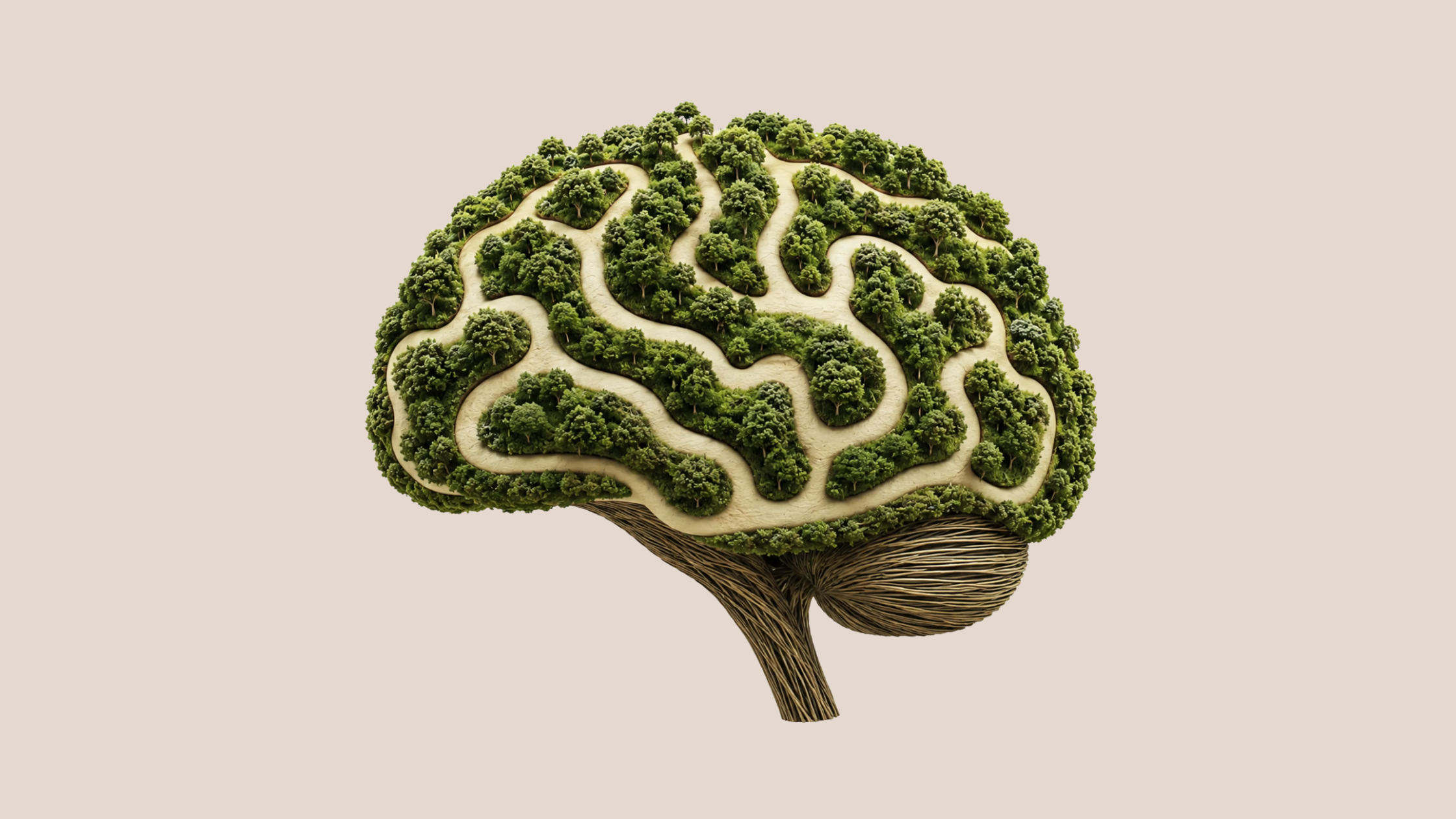
Dementia is not inevitable
Dementia is not an inevitable part of ageing. Research shows its risk can be significantly reduced through lifestyle changes that protect brain health, cardiovascular health, and social and intellectual engagement.
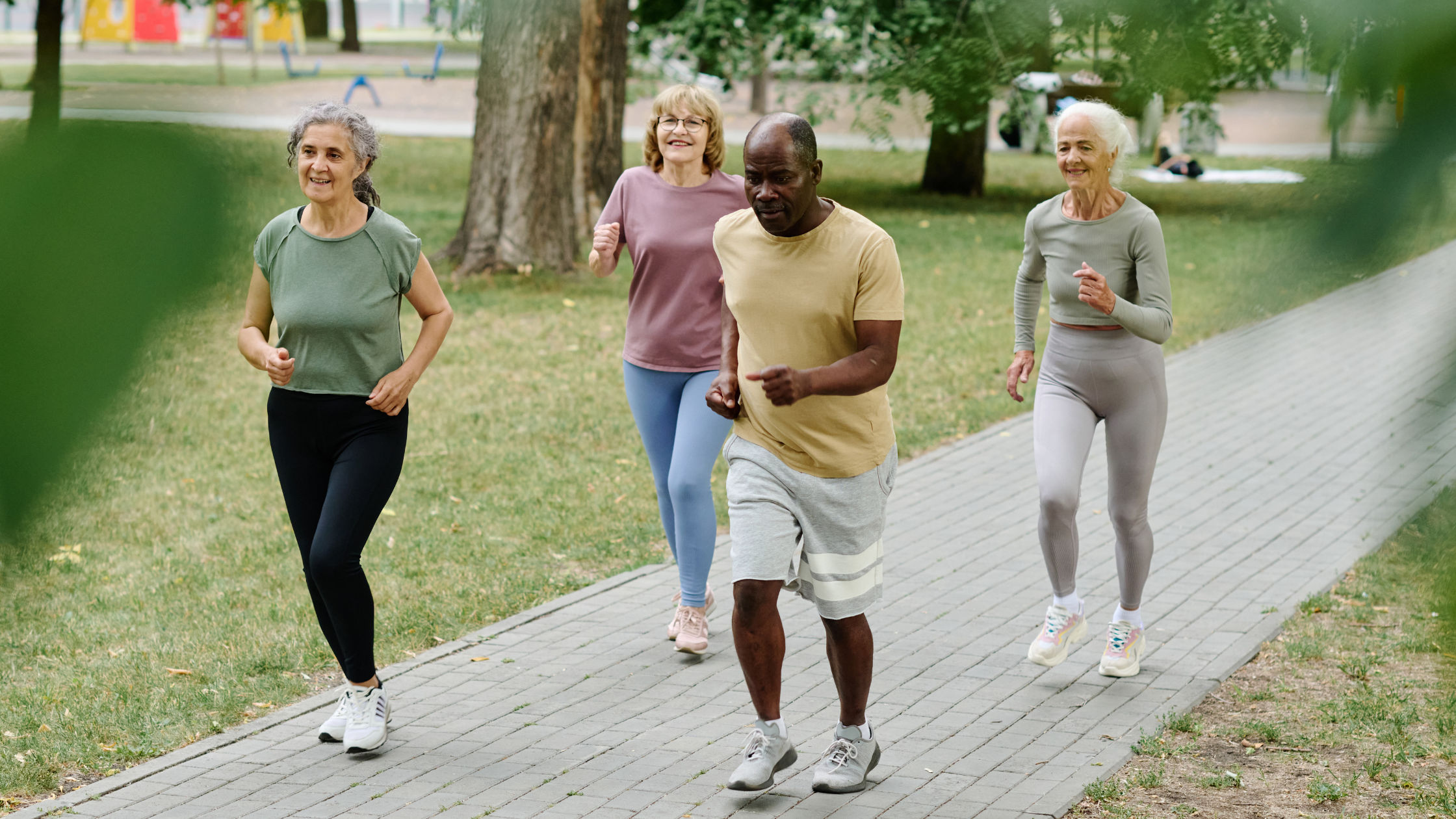
The Fourth S of Fitness
Sir Muir Gray explores why stamina is essential for healthy ageing, how inactivity—not age itself—drives its decline, and why simple daily movement such as brisk walking can help rebuild fitness and support long-term independence.

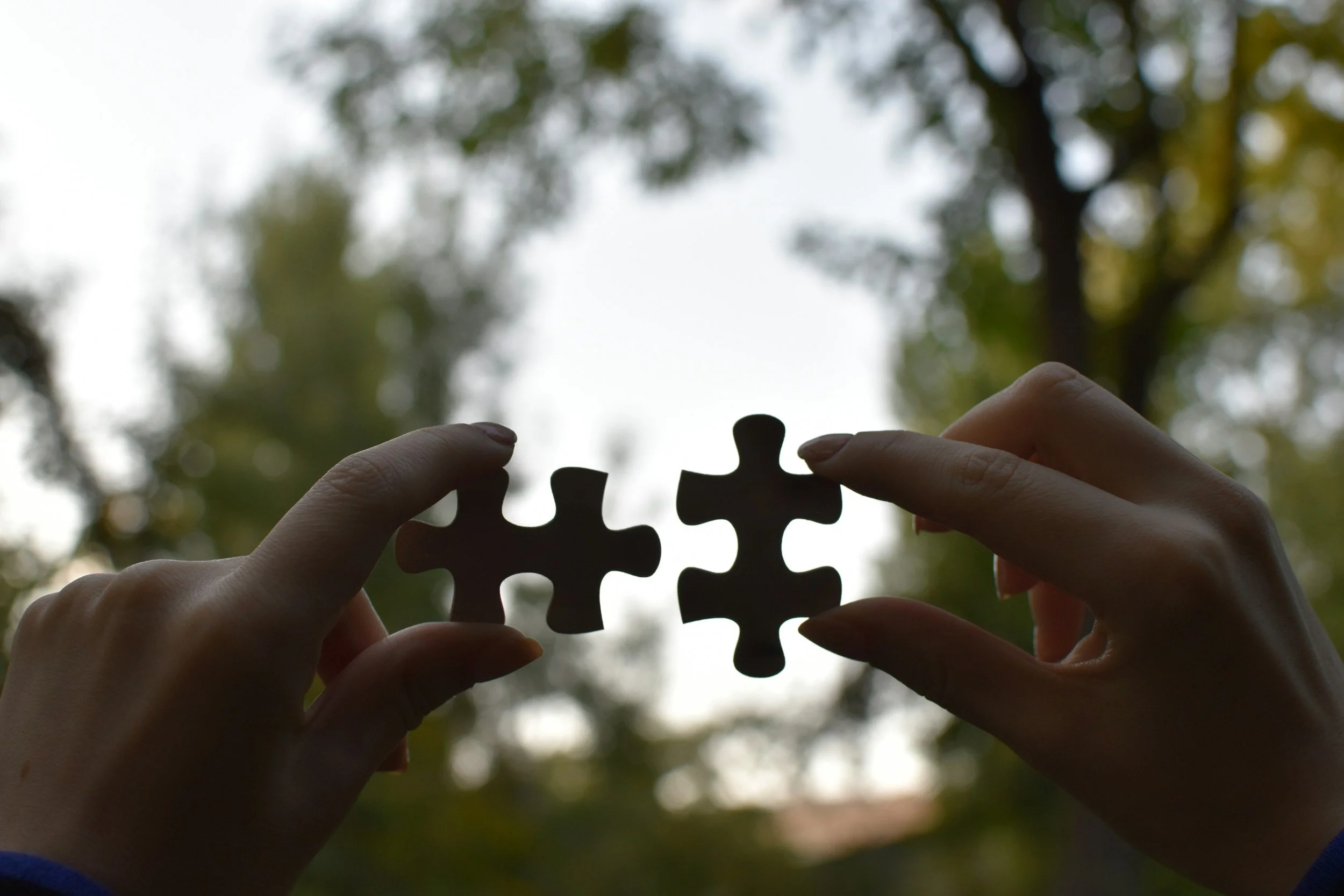
Mental Exercise: How to Stay Sharp
Cognitive function can be maintained or improved at any age.
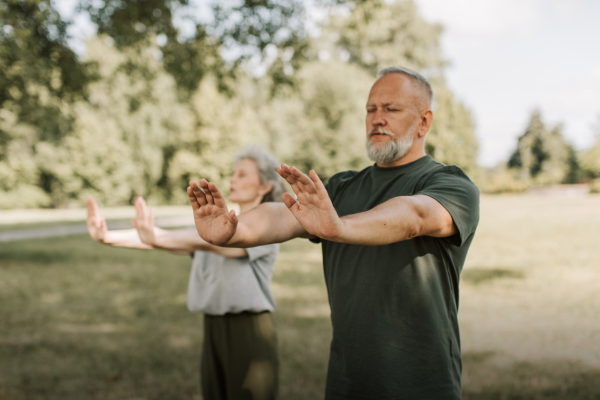
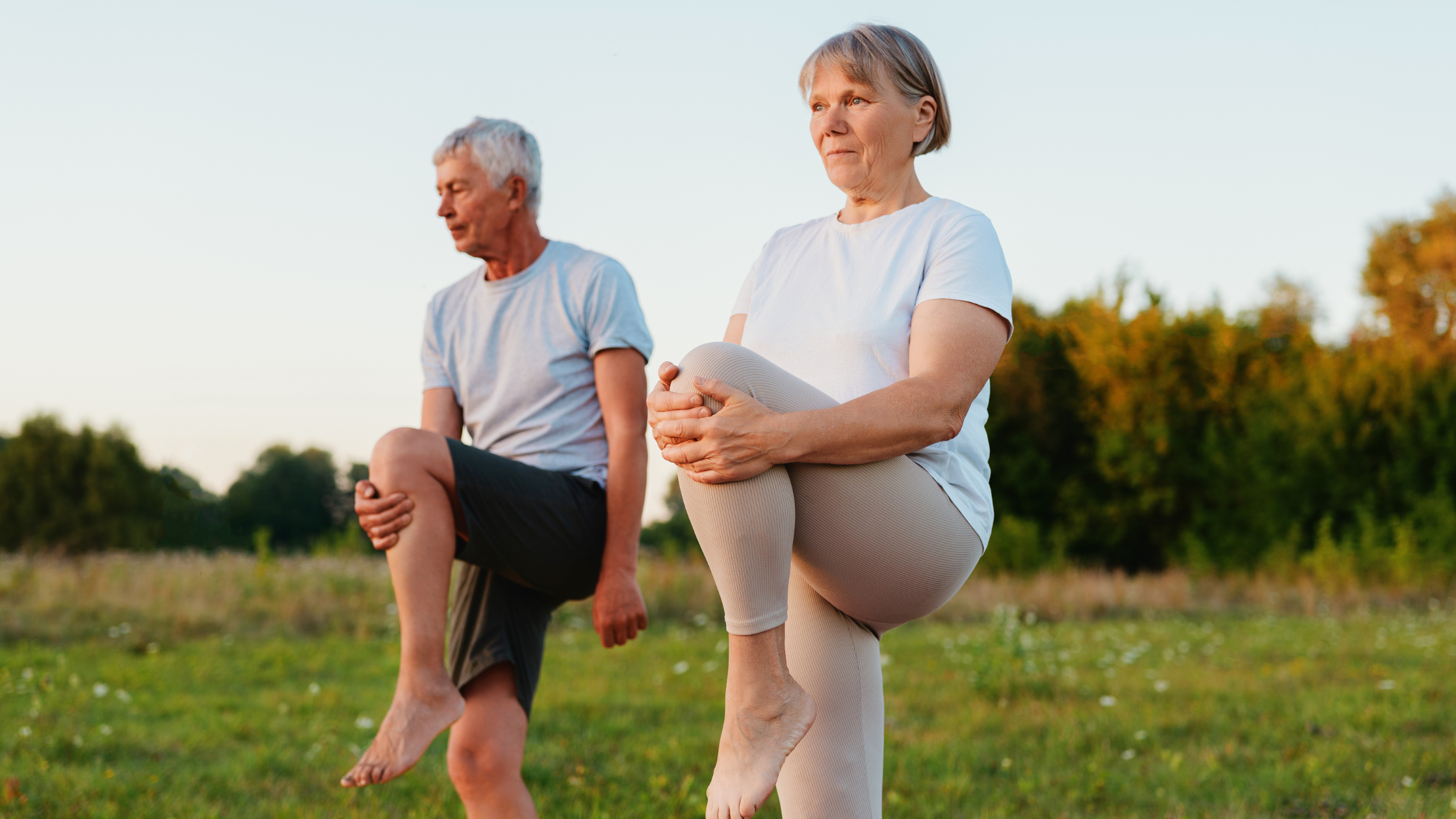
Suppleness: Staying Flexible and Mobile for Life
Suppleness is a key sign of biological youth. Flexibility, balance, and mobility protect against injury, stiffness, and loss of independence as we age.

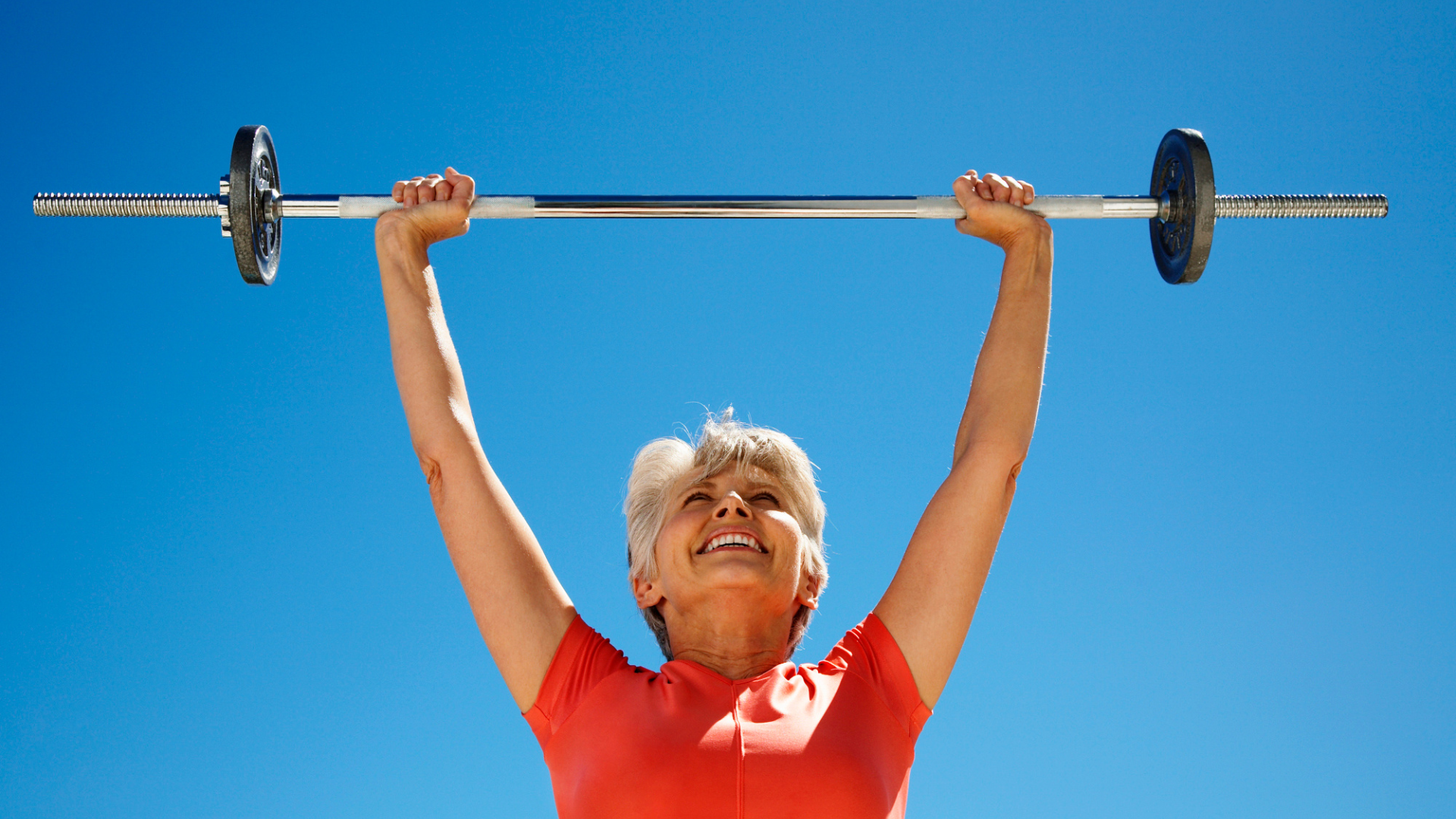
Strength: The True Anti-Ageing Therapy
Building and maintaining muscle protects against disease and disability.
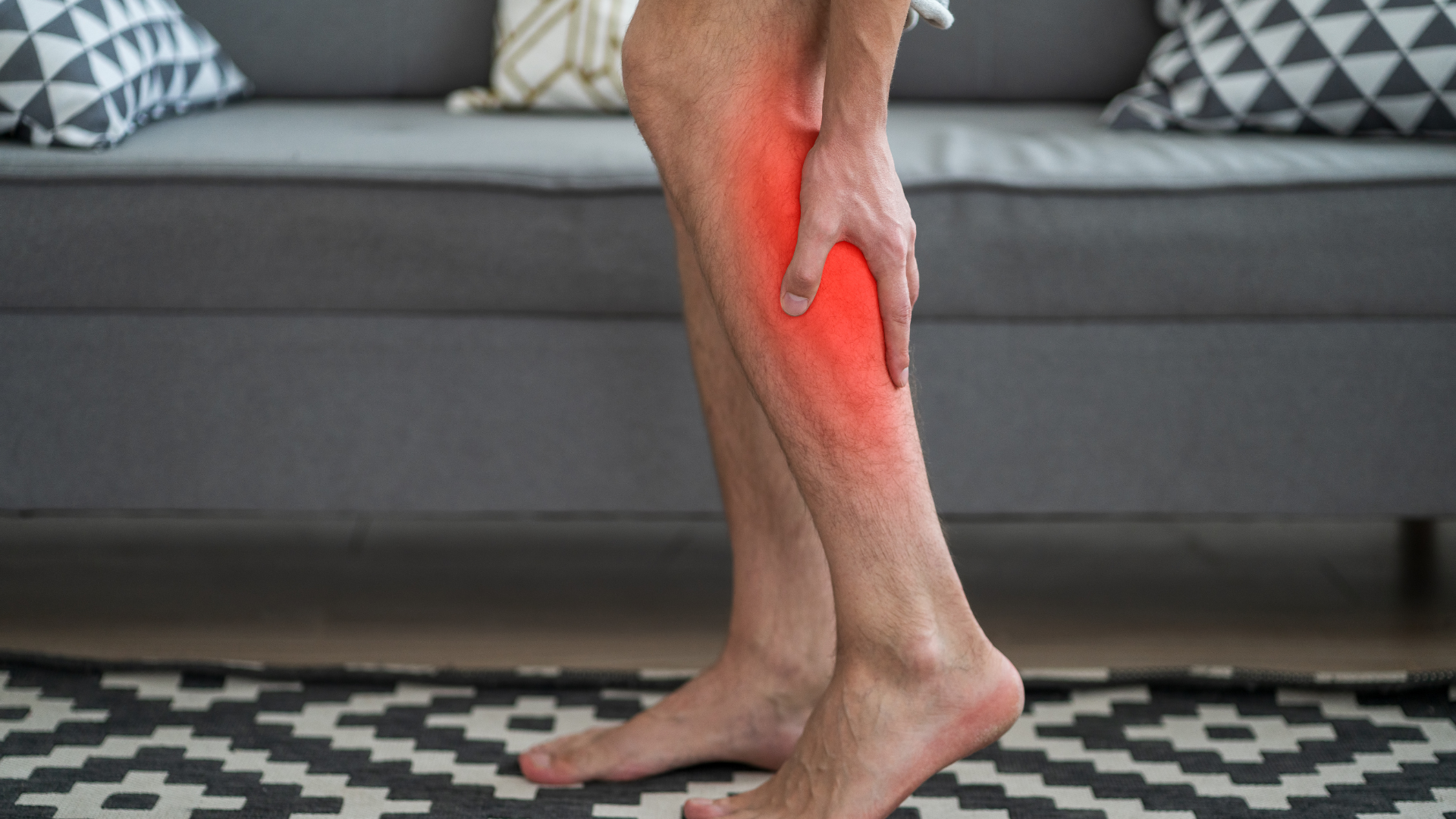
Sarcopenia and Frailty: What No One Tells You
Muscle loss and physical vulnerability are preventable.
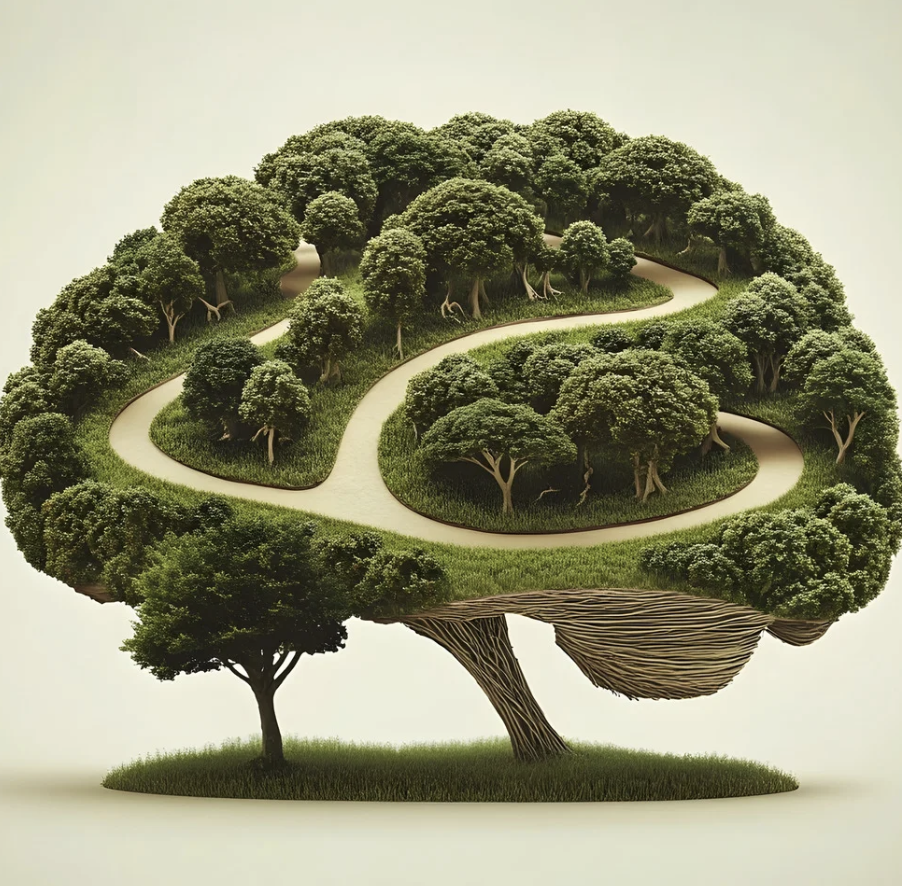

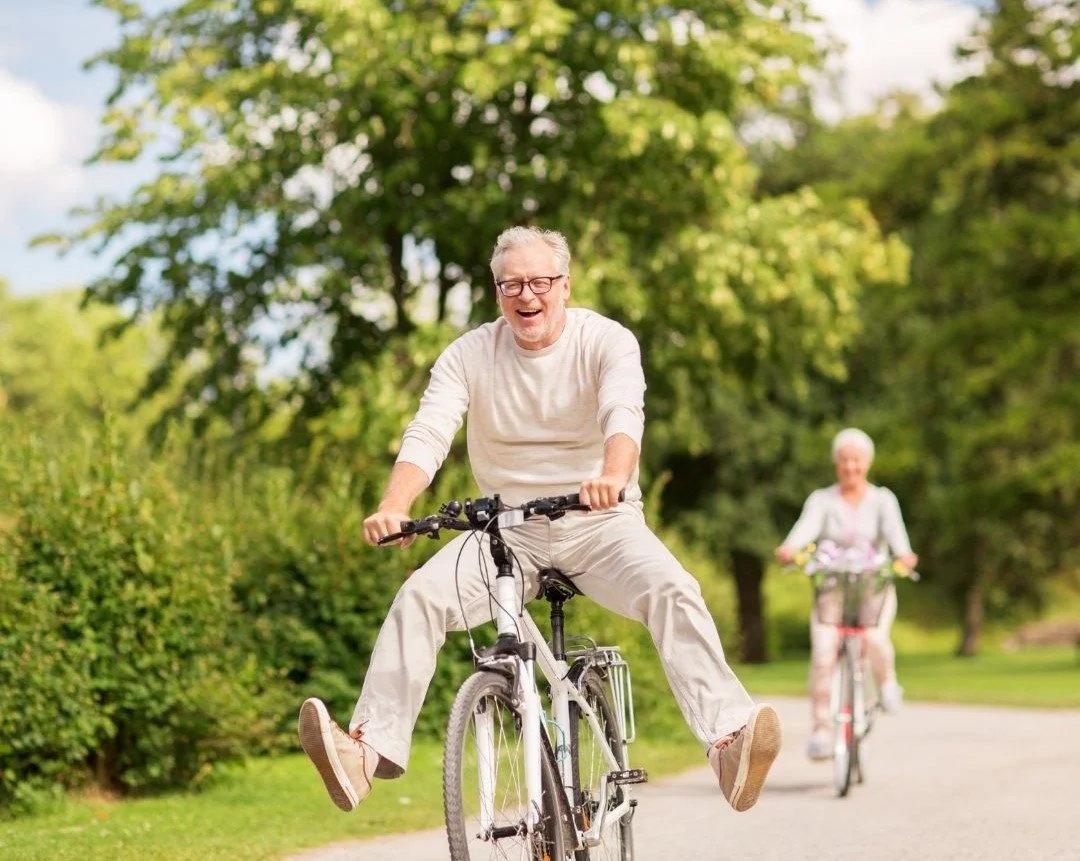
Revolutionizing Retirement: Designing Your Third Age
Retirement can be a launchpad for contribution.
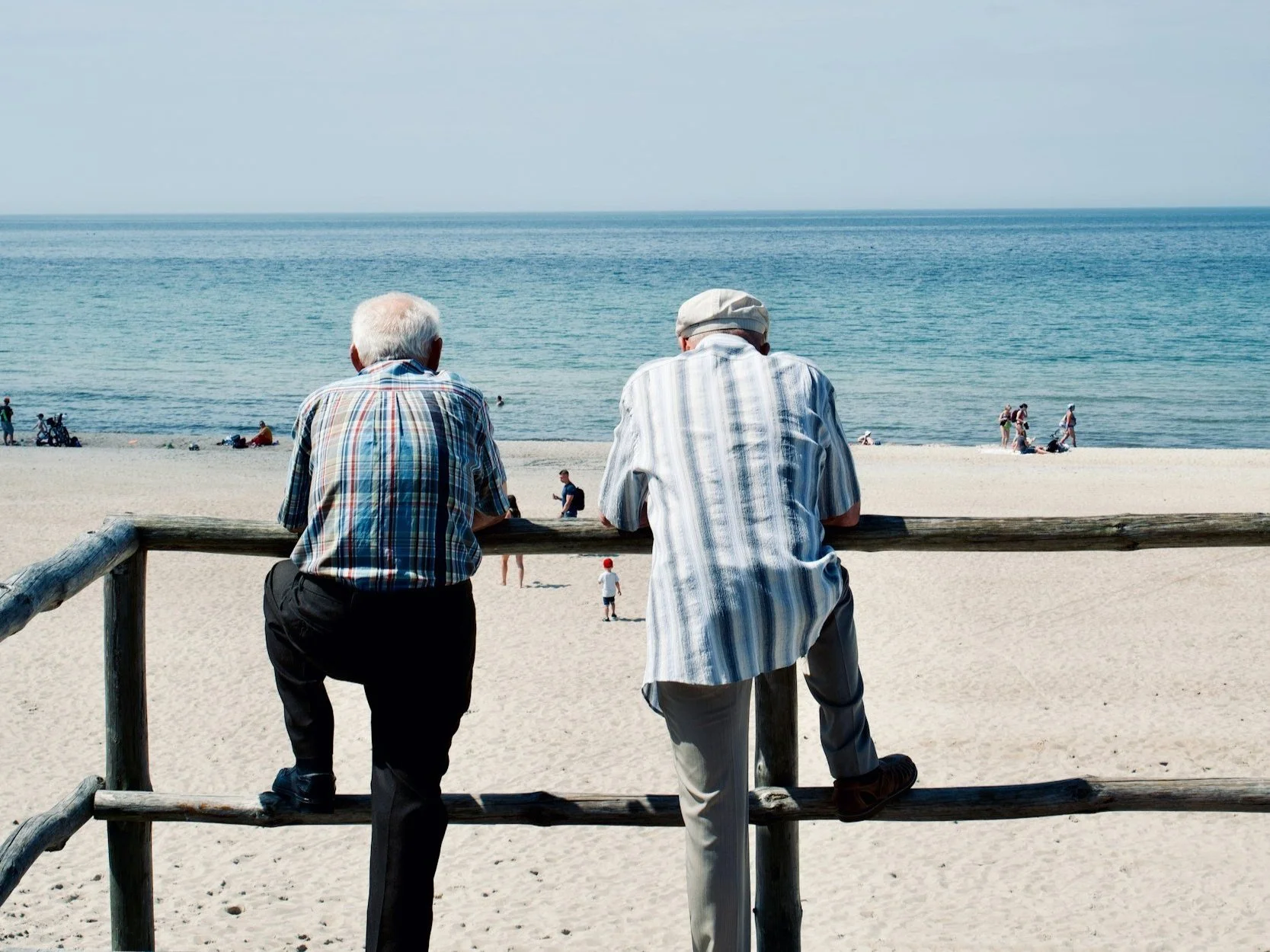
Understanding ageing
OLP Board Member Sir Muir Gray explains that ageing is a natural biological process -not a decline to be feared - and that by understanding it correctly, we can take action to live healthier, fitter, and more fulfilling lives at every stage.
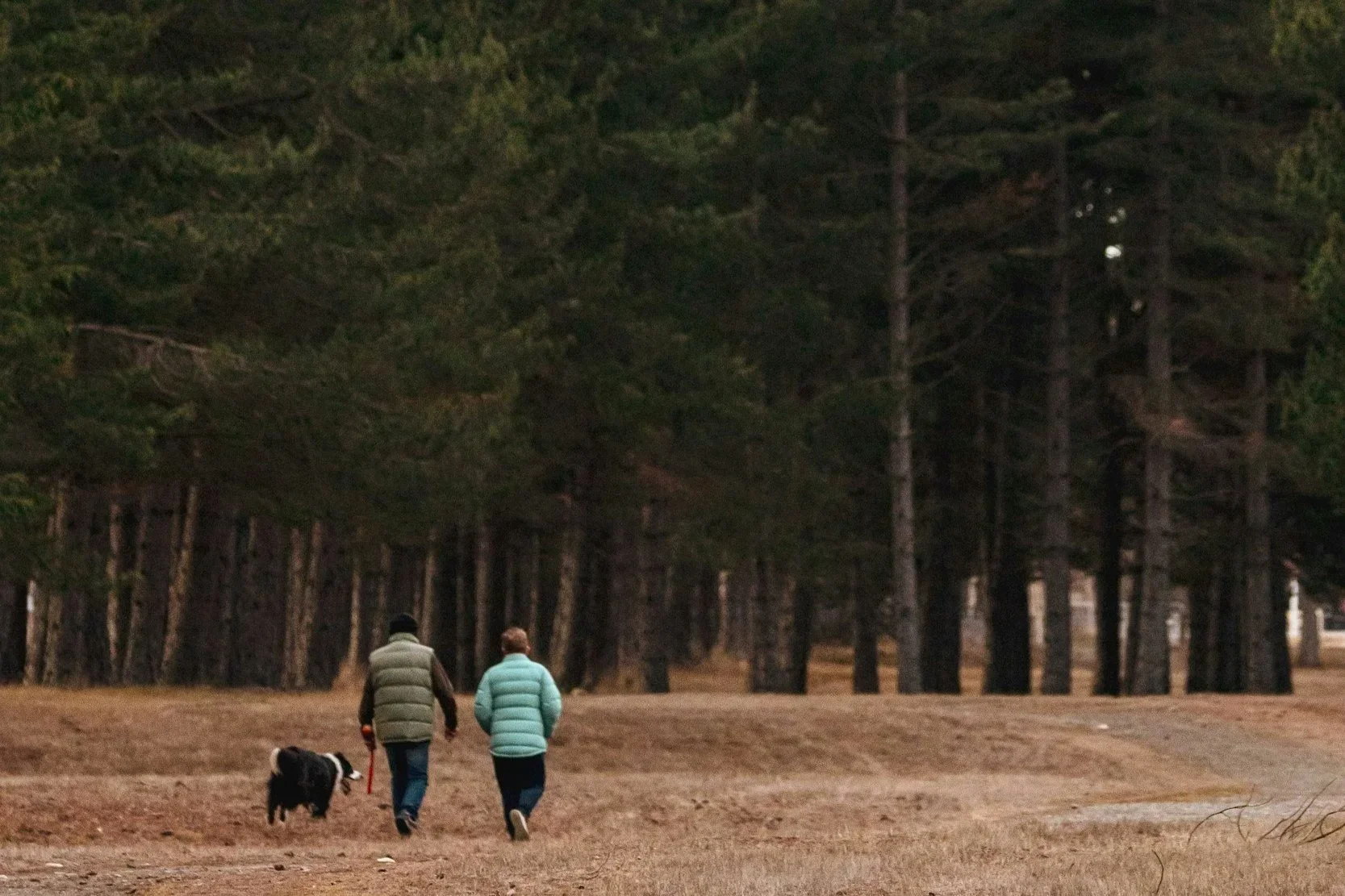
ideas for improving your environment
This month’s Live Longer Better Plan explores how improving our environment can enhance health, resilience, and well-being. Submitted by an OLP subscriber and supporter, PhD candidate Gerda Bukauskaitė-Žiūkienė, this feature shares ten simple, evidence-based actions to help you improve your environment for yourself and others.

A Letter from Sir Muir Gray: How to improve your Environment
Sir Muir Gray introduces the fourth theme of the Live Longer Better Plan showing how shaping our physical and social environments to support activity, connection, and purpose can help us live longer better.

A Letter from Sir Muir Gray: Preventing and managing disease
In this third theme of the Live Longer Better Plan, Sir Muir Gray explains how many diseases often linked to ageing can actually be prevented or managed through lifestyle and environmental changes—showing that with the right knowledge and actions, you can prevent, manage, and live well for longer.