The Future of Ageing
New technologies are exciting, but what you can do is more important.
How to Live Longer, Better in your 60’s, 70’s, 80’s & 90’s
Get even fitter mentally, and reduce your risk of dementia by
LEARNING SOMETHING NEW
RE-LEARNING A LOST SKILL
REJOIN YOUR LOVE OF ARTS & CRAFTS
DOING MENTAL EXERCISE –Cryptic Crosswords
TAKE A FORMAL COURSE
ENGAGING WITH YOUR COMMUNITY AND THE NPC WITH PURPOSE
Volunteering particularly with younger generations will increase wellbeing
REDUCING ISOLATION – optimize vision and hearing
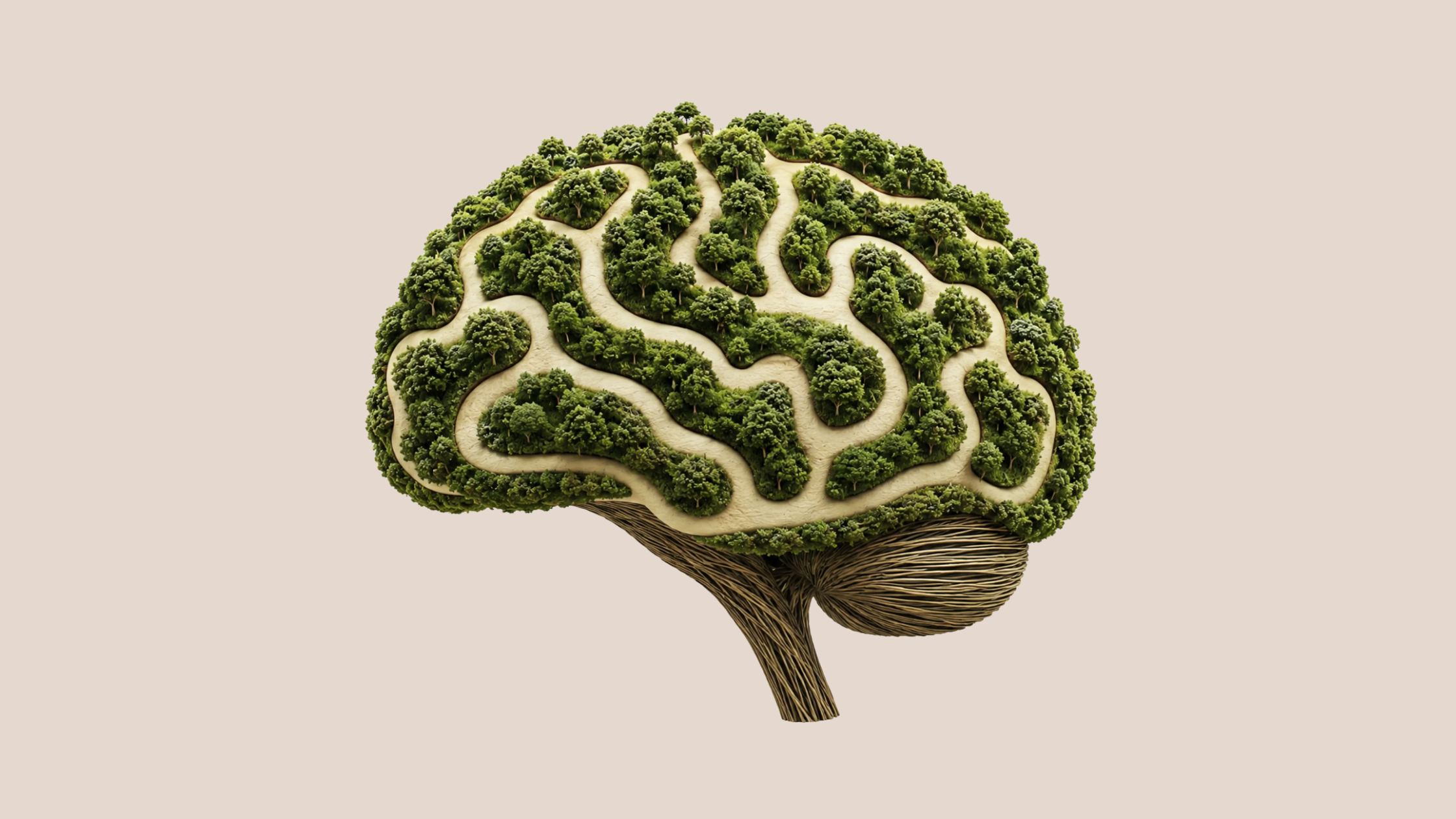
Dementia is not inevitable
Dementia is not an inevitable part of ageing. Research shows its risk can be significantly reduced through lifestyle changes that protect brain health, cardiovascular health, and social and intellectual engagement.
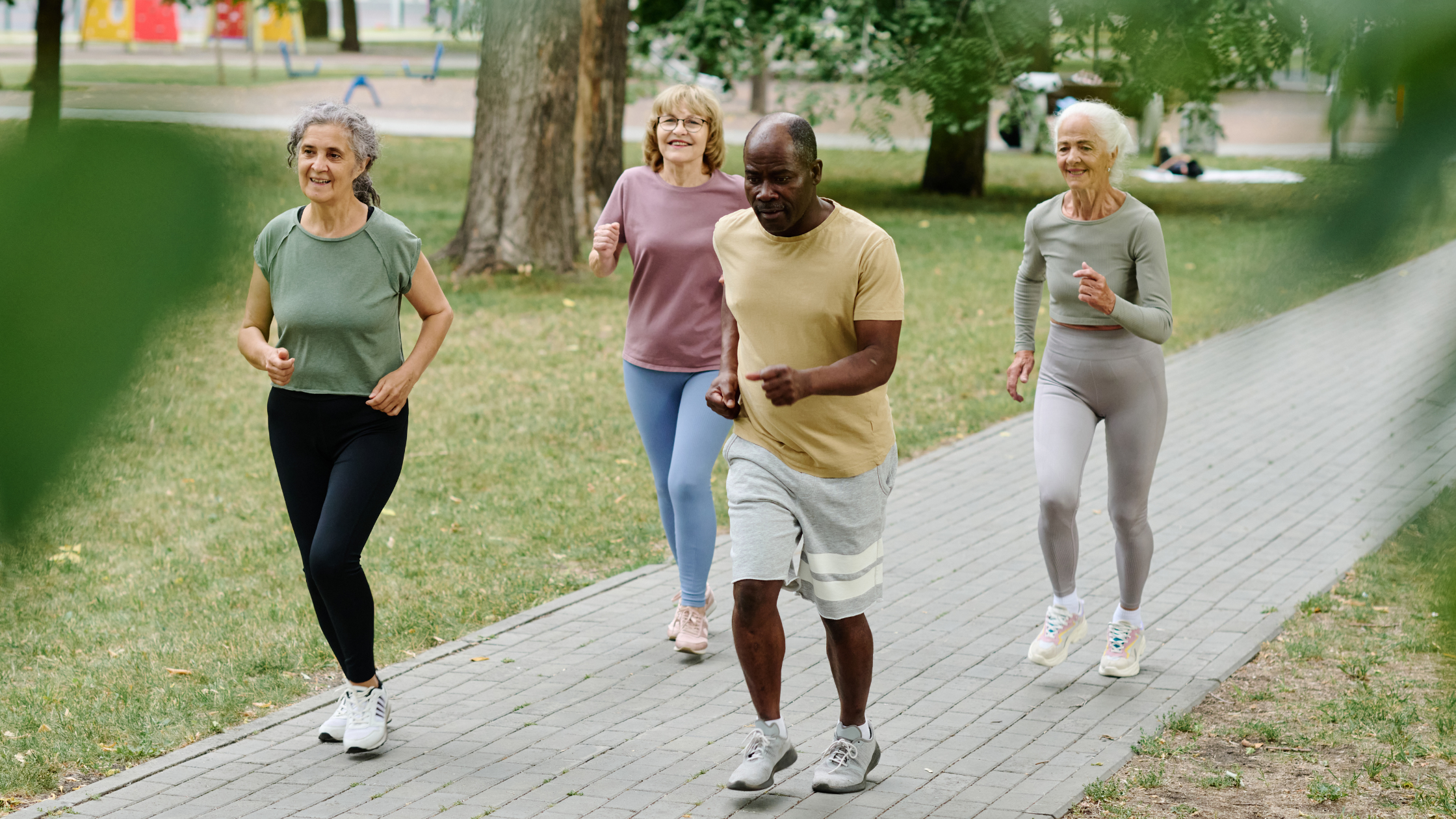
The Fourth S of fitness: Stamina
Sir Muir Gray explores why stamina is essential for healthy ageing, how inactivity—not age itself—drives its decline, and why simple daily movement such as brisk walking can help rebuild fitness and support long-term independence.
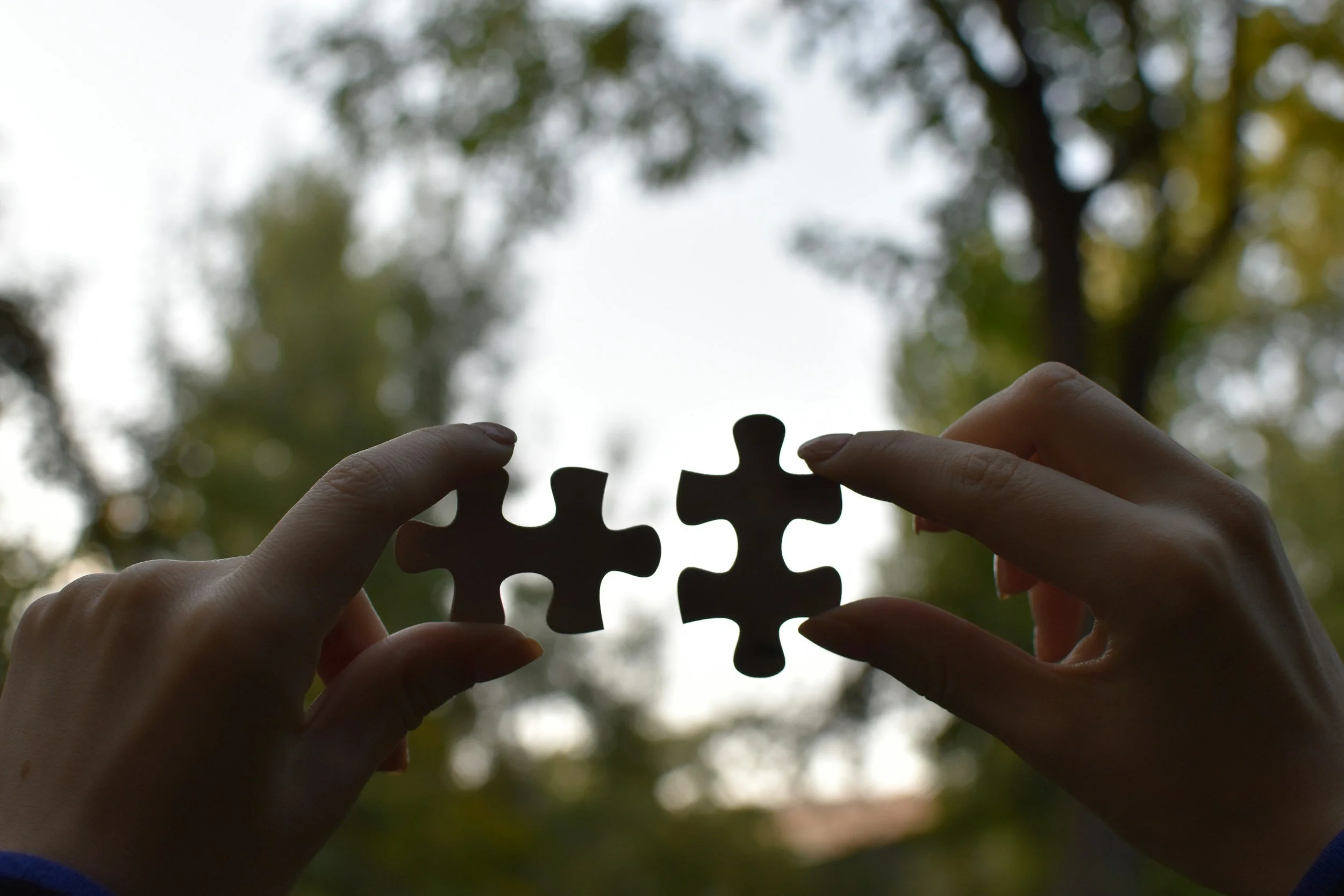
Mental Exercise: How to Stay Sharp
Cognitive function can be maintained or improved at any age.
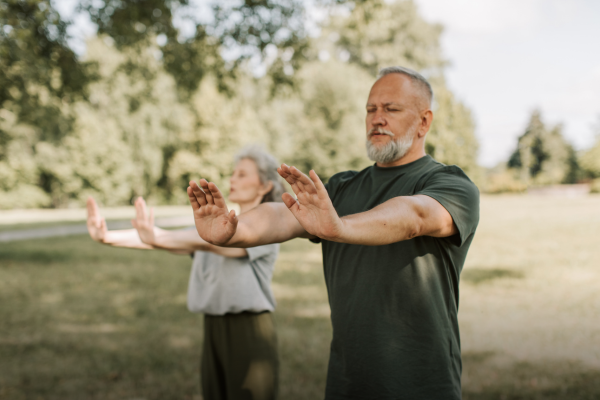
Suppleness: Staying Flexible and Mobile for Life
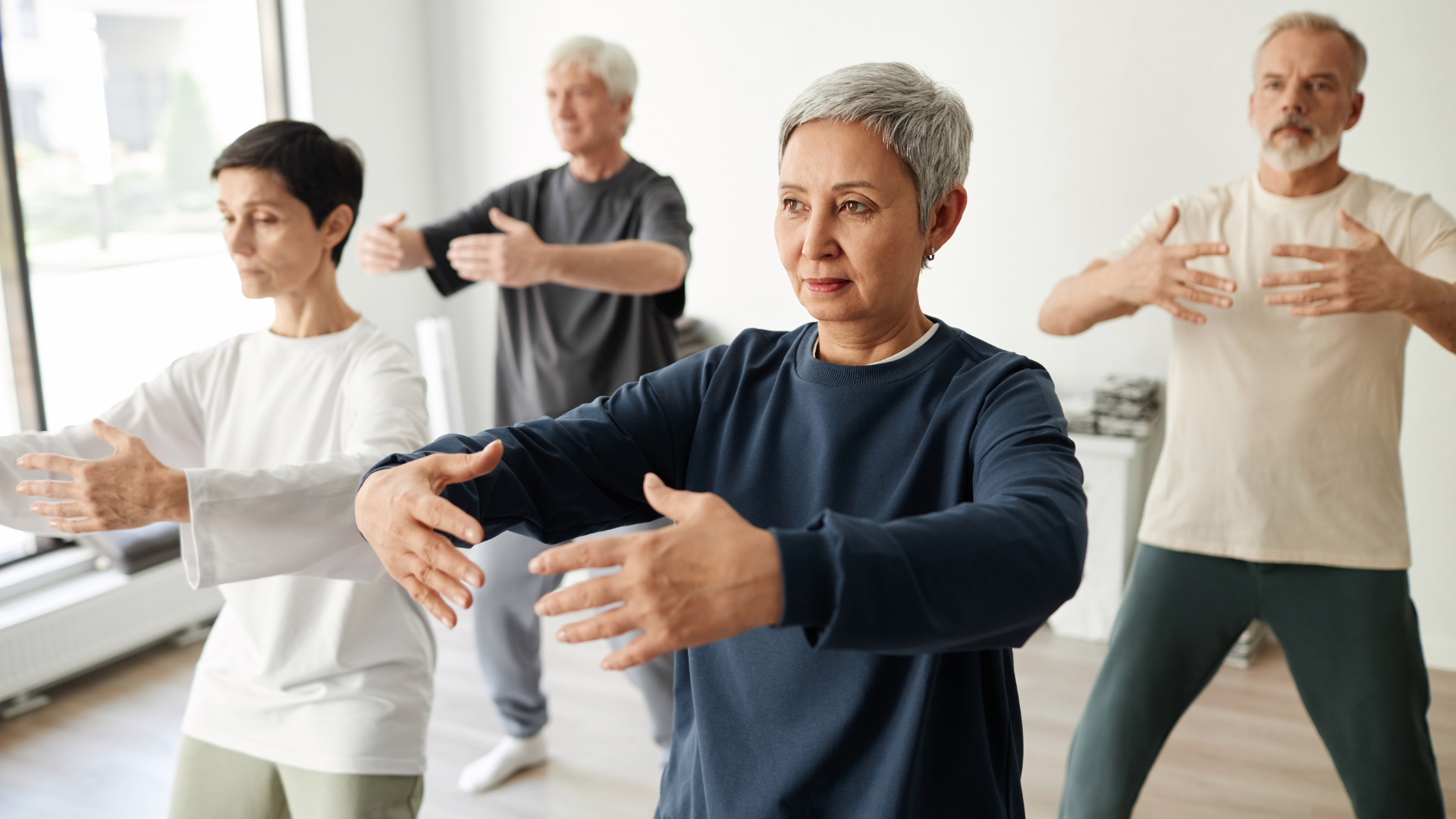
Suppleness is a key sign of biological youth. Flexibility, balance, and mobility protect against injury, stiffness, and loss of independence as we age.
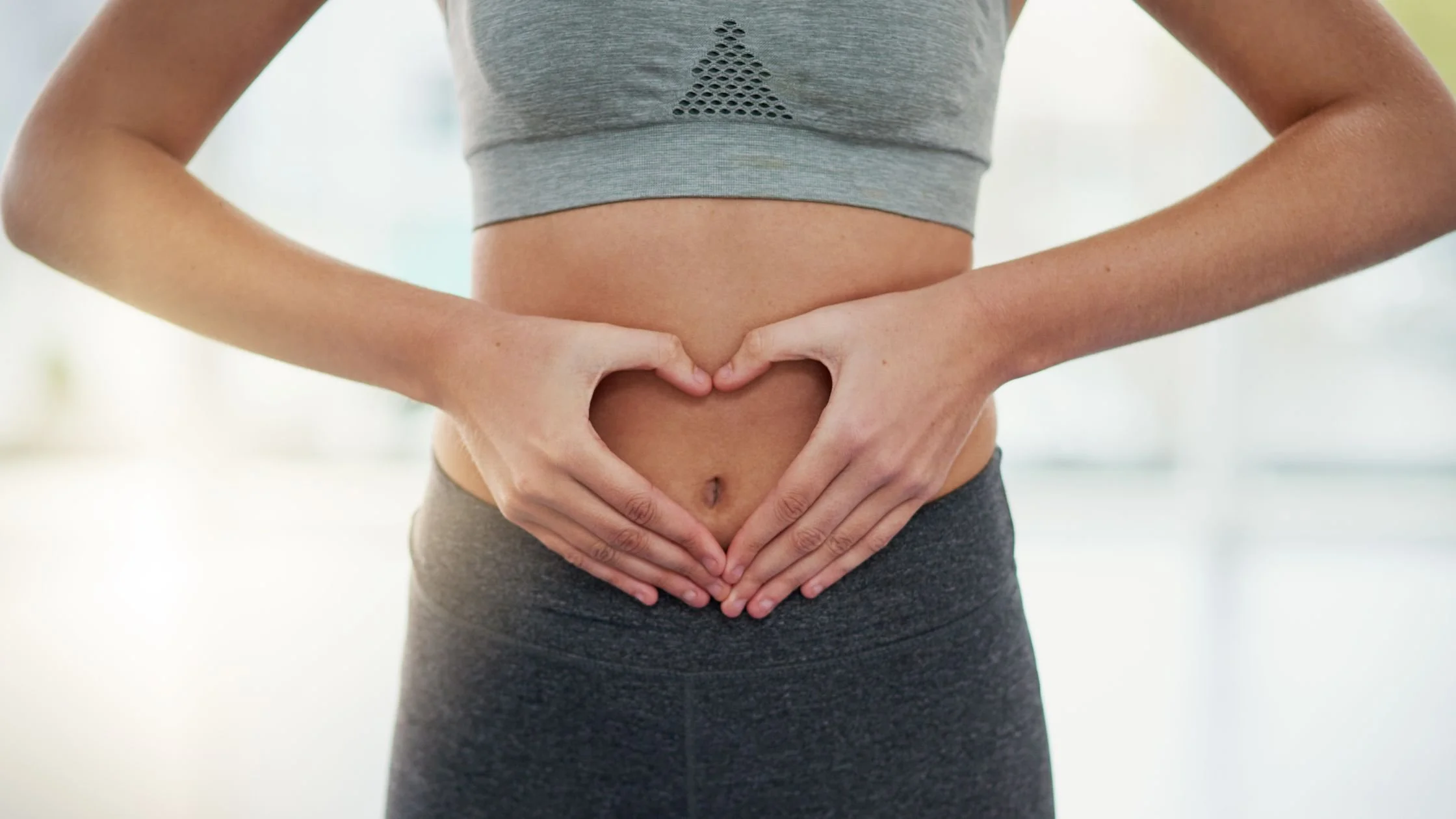
Hallmark 12: Gut Dysbiosis
Last but definitely not least, let’s talk guts. Gut dysbiosis is the final hallmark in our Hallmarks of Ageing series (sad face), and it highlights how shifts in your microbial community can influence everything from immune strength to brain function.
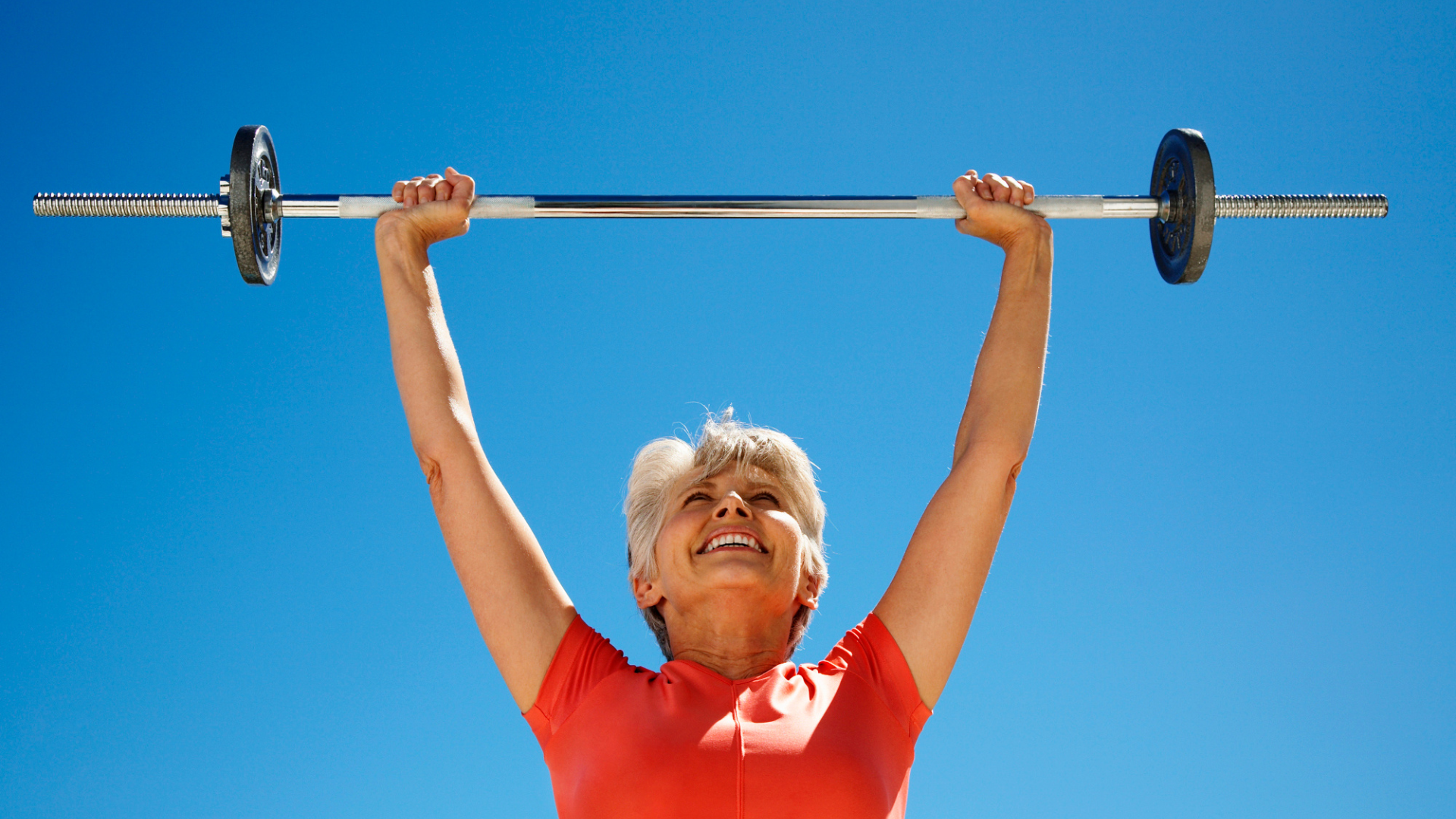
Strength: The True Anti-Ageing Therapy
Building and maintaining muscle protects against disease and disability.
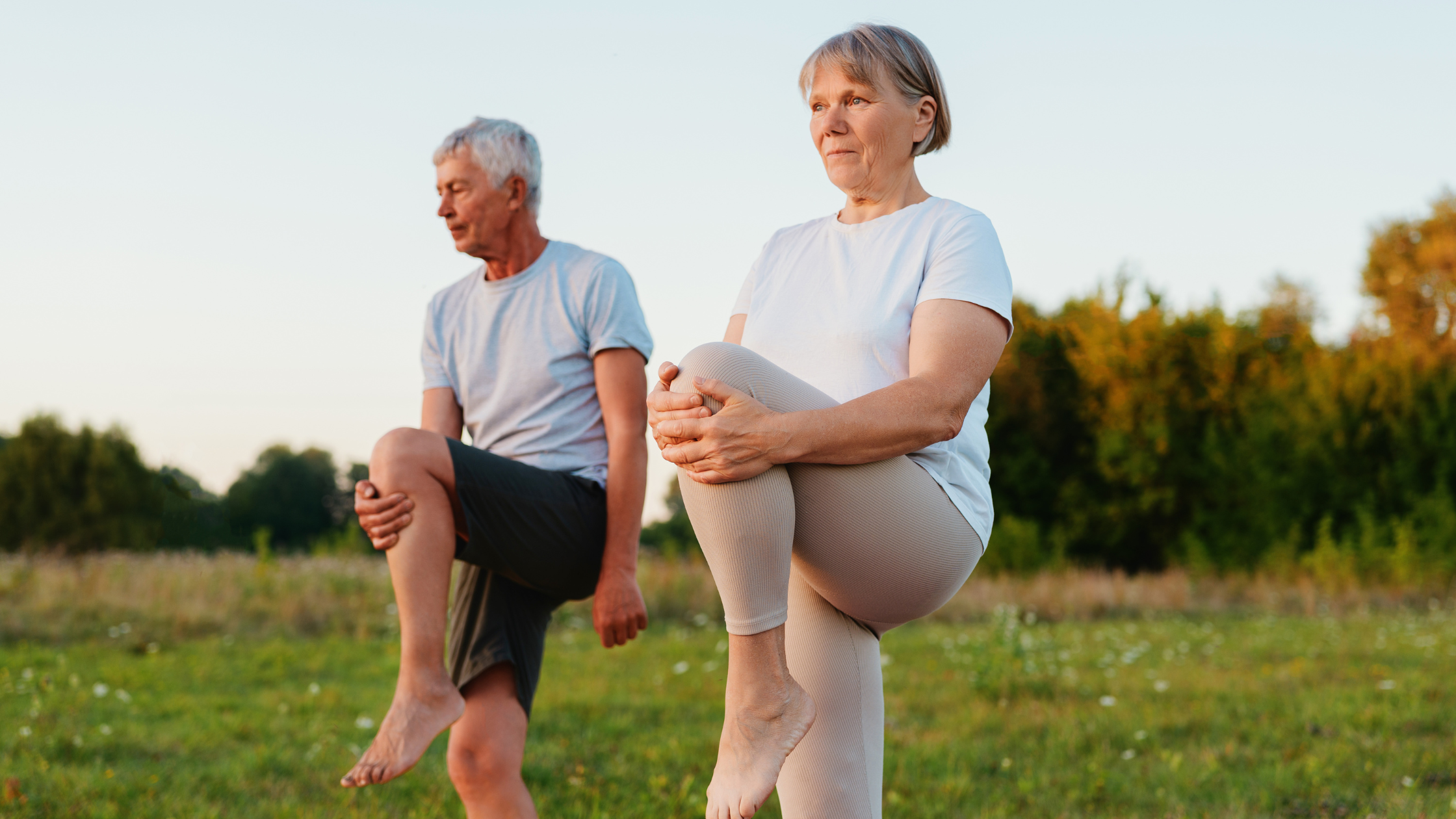

Hallmark 11: Chronic Inflammation
Inflammation is a vital defence mechanism that helps the body heal and restore balance, but problems arise when this response fails to switch off. Chronic, low-grade inflammation can quietly damage tissues, disrupt cellular communication, and accelerate ageing, making it a key process to understand and learn how to manage.
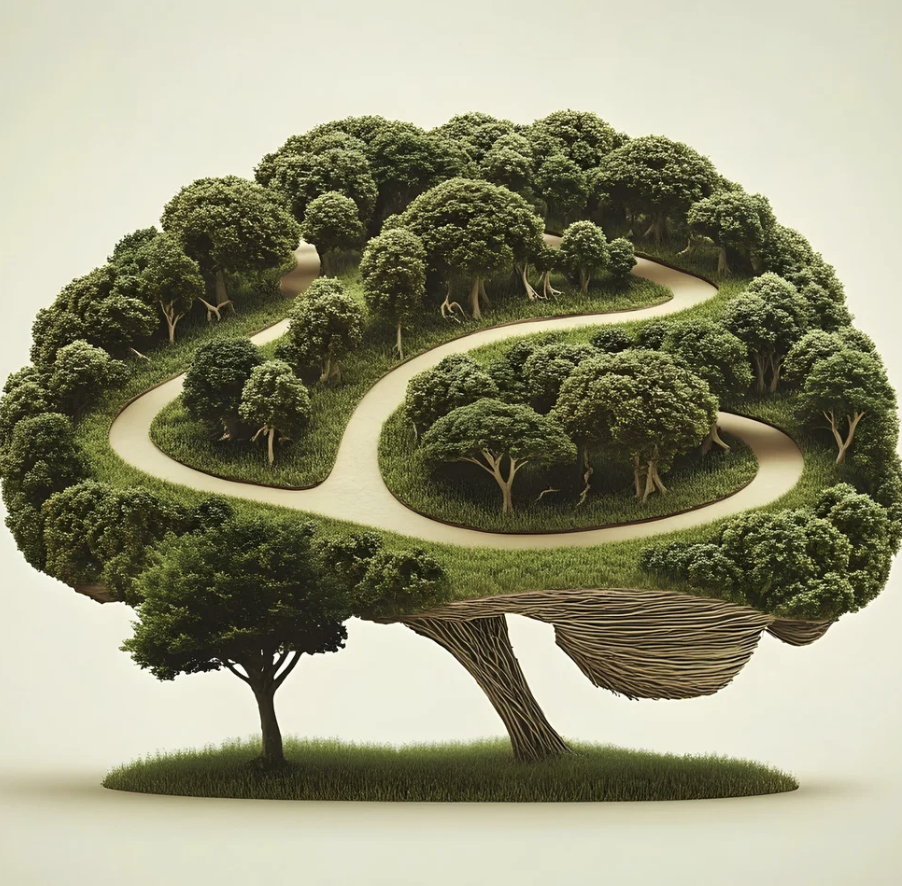
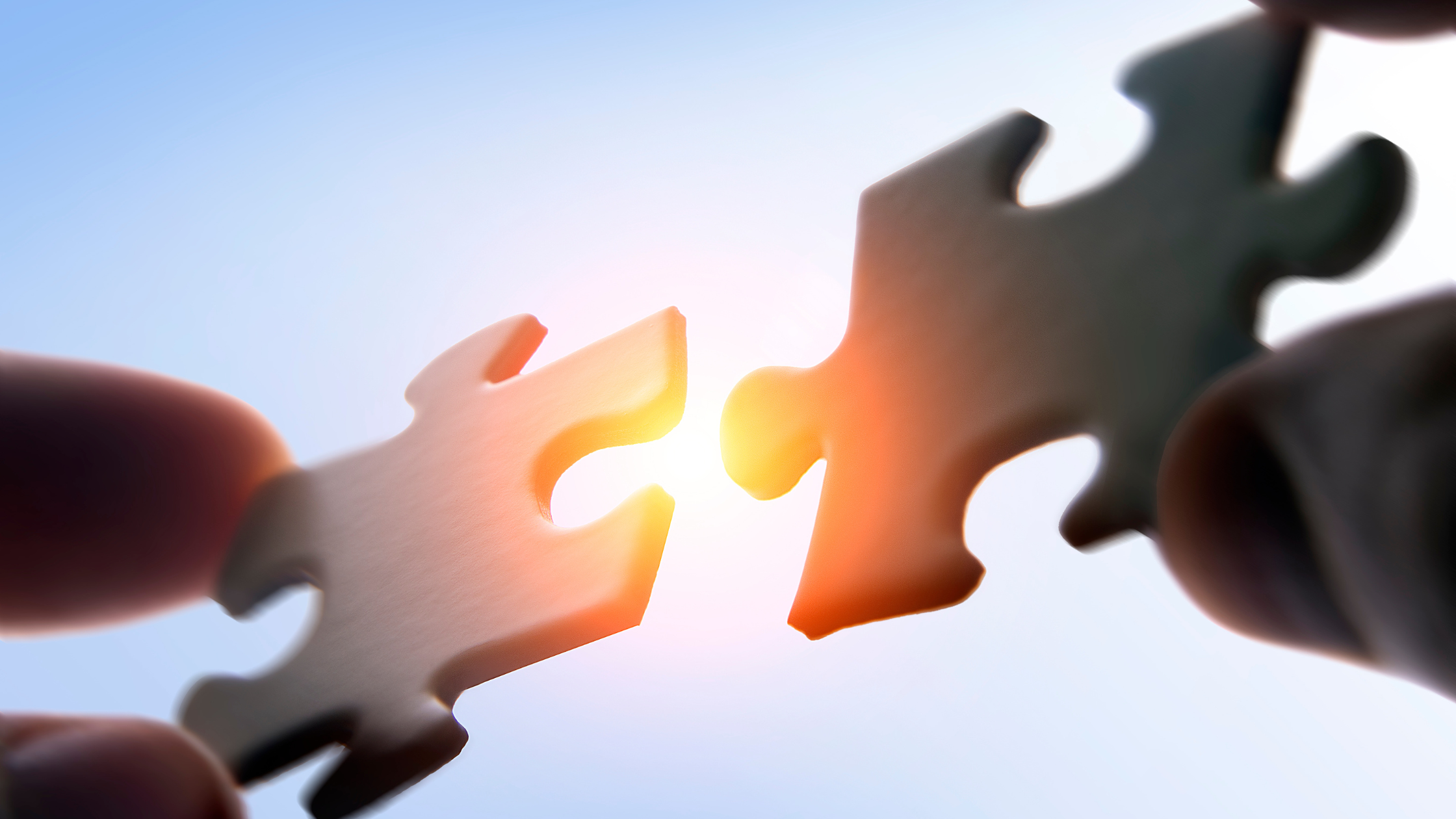
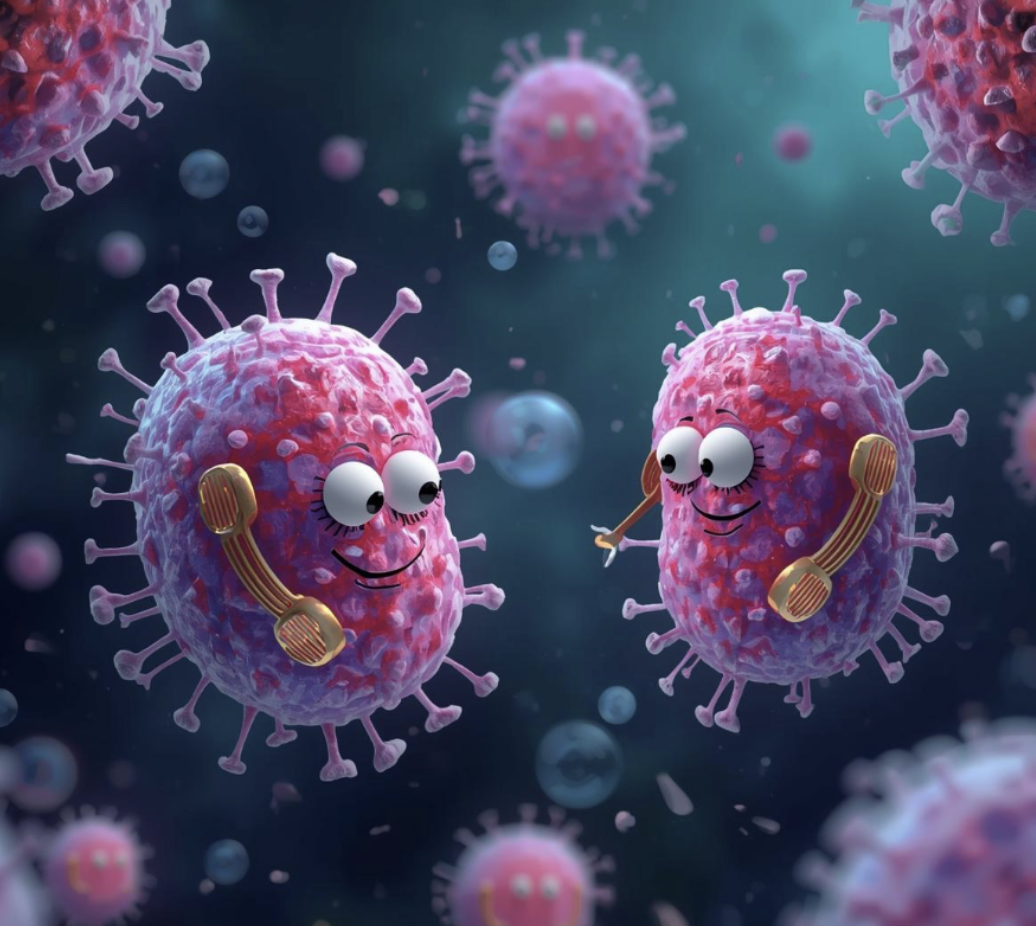
Hallmark 10: Altered Intercellular Communication
Cells are constantly communicating with one another, but with age these conversations become increasingly noisy and confused. This blog explores how altered intercellular communication contributes to ageing and highlights emerging research and lifestyle approaches that may help restore clear cellular conversations.
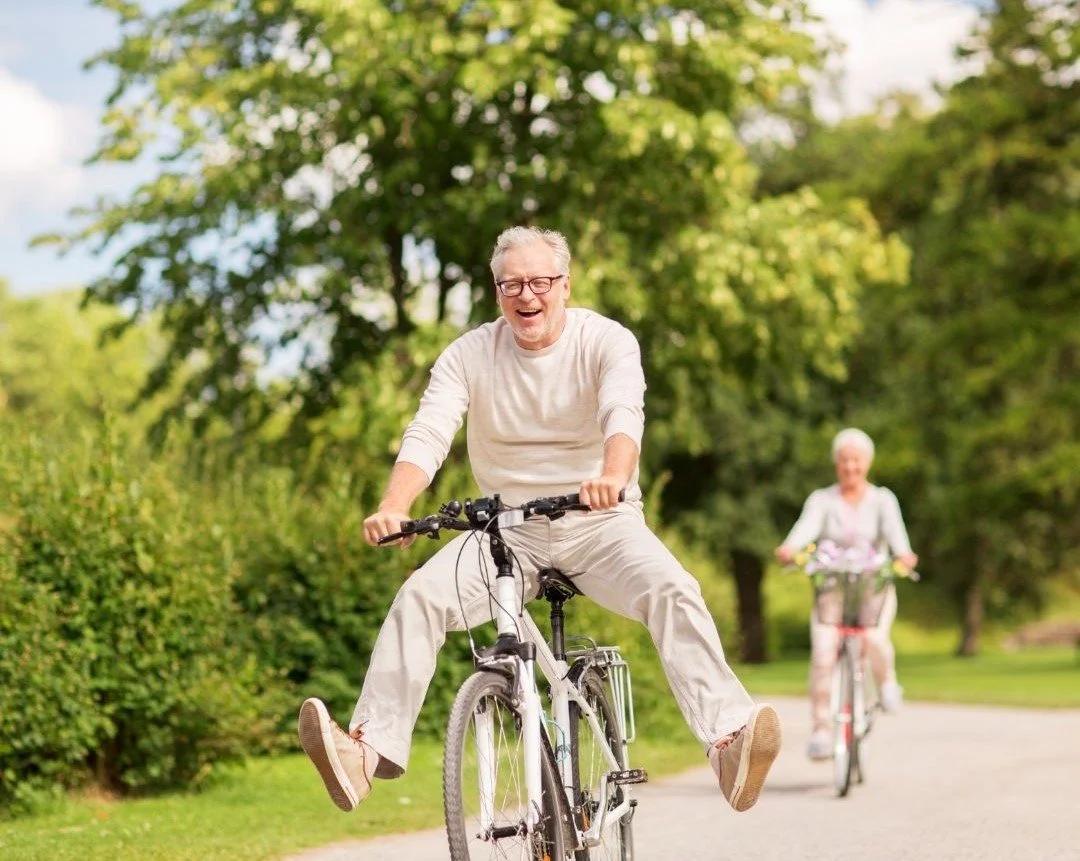
Revolutionizing Retirement: Designing Your Third Age
Retirement can be a launchpad for contribution.

Hallmark 9: Stem Cell Exhaustion
Stem cell exhaustion marks the point when the body’s repair systems begin to fail, but understanding it offers hope: by protecting and supporting our stem cells, through healthy
living today and innovative therapies tomorrow, we may help the body keep shapeshifting and rebuilding itself for longer.

Understanding ageing
OLP Board Member Sir Muir Gray explains that ageing is a natural biological process -not a decline to be feared - and that by understanding it correctly, we can take action to live healthier, fitter, and more fulfilling lives at every stage.

Hallmark 8: Cellular Senescence
Cellular senescence, often called “zombie cells,” occurs when damaged cells stop dividing but refuse to die, releasing inflammatory signals that disrupt nearby tissues and accelerate ageing. While drugs like senolytics and senomorphics aim to target these stubborn cells, lifestyle choices, regular movement, plant-rich diets, quality sleep, and stress management—remain our most effective defence against their build-up.